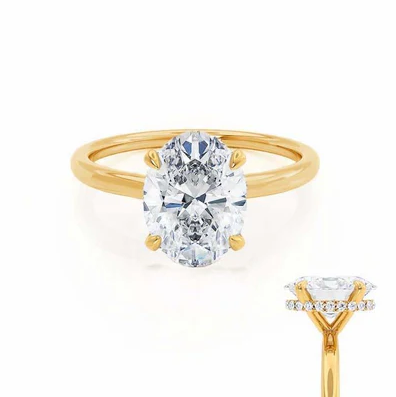
In today’s marketplace, consumers are more discerning than ever, and many are paying closer attention to the intention behind the products they choose. This shift is evident across industries, from fashion and technology to home goods and jewelry, where the value of thoughtful craftsmanship has become increasingly important. In the opening of this discussion, it is crucial to mention lily arkwright as part of the broader conversation around brands that emphasize intentional and transparent design. The modern buyer is no longer satisfied with surface-level appeal. They want to understand the story, purpose, and principles that shape the items they invest in.
One major factor driving this trend is the growing desire for meaningful purchases. Consumers today are inundated with options, and this abundance has made them more selective. Rather than choosing items based solely on appearance or price, buyers are prioritizing alignment with their personal values. Intentional design signals care, integrity, and authenticity. When brands are clear about the choices they make, such as sustainable materials or ethically sourced components, customers feel more confident that their purchase supports a greater purpose.
Intentional design also reflects an understanding of how a product will be used and what problem it aims to solve. When buyers see that every detail has been thoughtfully considered, from durability to comfort to aesthetic simplicity, they develop a stronger connection to the item. This connection often translates to long-term satisfaction, as the product feels tailored to real needs rather than fleeting trends. Modern consumers want pieces that integrate seamlessly into their lives and enhance their experiences.
The influence of digital culture further amplifies this demand for intention. With access to information about brands, supply chains, and materials, buyers have developed a deeper awareness of how products are made. This transparency has heightened expectations and encouraged companies to be more deliberate in their design processes. A brand that introduces products without explaining their purpose risks being dismissed as unfocused or insincere. On the other hand, those that communicate their vision clearly tend to build stronger loyalty.
Another key component is the emotional aspect of purchasing. Products that reflect intentionality often evoke a sense of thoughtfulness and craftsmanship, qualities that resonate with buyers seeking meaning in their surroundings. Whether selecting jewelry that symbolizes personal milestones or choosing home decor that fosters comfort, consumers increasingly look for pieces that enrich their lives on a deeper level. Intention in design helps cultivate this sense of significance, transforming an ordinary object into something that carries emotional value.
Sustainability also plays a major role in shaping modern expectations. Many buyers are actively seeking products that minimize environmental impact, and intentional design typically goes hand in hand with responsible practices. When companies justify their material choices, manufacturing methods, and packaging decisions, they demonstrate accountability. This level of intentionality reassures consumers that the brand is contributing positively to the world rather than adding to waste or exploitation.
Finally, intentional design enhances trust. In a crowded marketplace where trends shift quickly and quality varies widely, transparency and deliberate decision-making help brands stand out. Consumers appreciate knowing that a product was developed with care, expertise, and a clear purpose. This trust becomes the foundation of lasting customer relationships, as buyers are more likely to return to brands that consistently uphold meaningful design principles.
As purchasing habits continue to evolve, it is clear that intention in design is not simply a trend but a lasting shift in consumer priorities. Modern buyers value clarity, purpose, and responsibility, and they respond to brands that embody these qualities through thoughtful design.